
When Mobile Tyre Experts Are the Smart Choice
A flat tire rarely happens when you have time to spare. It happens outside a client meeting, on the school run, in a supermarket parking lot, or halfway through a delivery route. Mobile tyre experts bring the workshop to the vehicle, so a tire problem does not automatically become a lost afternoon, a recovery bill, or a missed job.
For drivers, the value is simple: help arrives where the vehicle is. For fleets and tradespeople, it is about protecting productive hours. A van sitting on the roadside is not just inconvenient. It can mean delayed deliveries, unhappy customers, and a schedule that gets harder to recover with every passing hour.
What Mobile Tyre Experts Actually Do
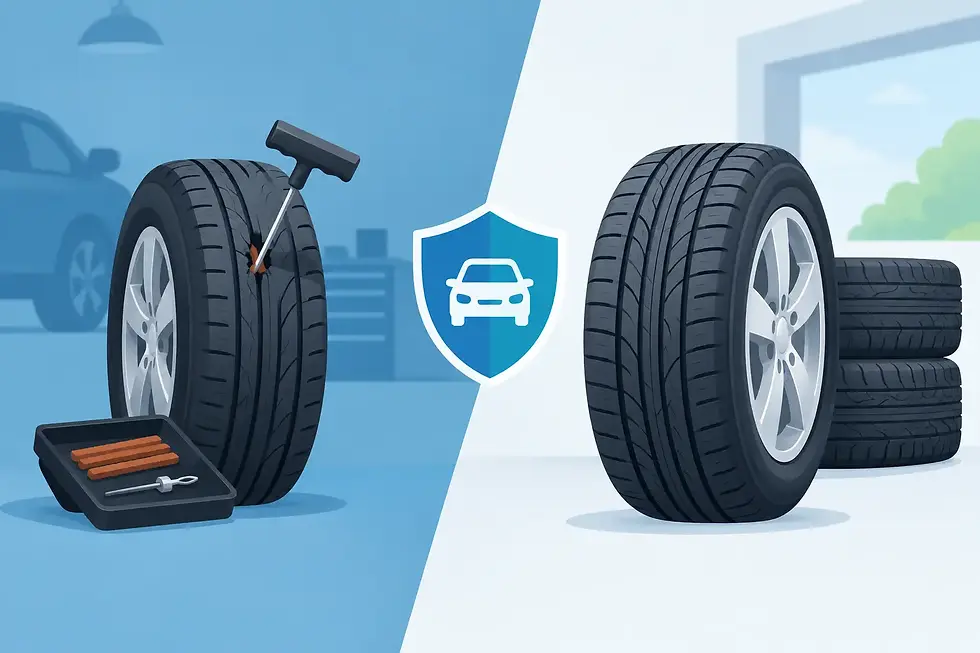
A proper mobile tire service is more than changing a wheel. The technician starts by assessing what has failed and whether the tire can be repaired safely. A visible screw in the central tread area may be repairable. A split sidewall, a badly damaged bead, or a tire driven while flat usually calls for replacement.
That distinction matters. A quick repair is only worthwhile if it meets safety standards and will remain reliable once the vehicle is back at motorway speed, carrying passengers, tools, or stock. An experienced technician checks the condition of the tire, the source of air loss, the wheel, and the valve before recommending the right next step.
When replacement is needed, a fully equipped mobile unit can supply and fit a suitable tire at the roadside, at home, or at work. The job should include correct fitting, inflation to the vehicle specification, torque-controlled wheel fastening, and balancing where appropriate. Those details affect how the vehicle drives long after the emergency has passed.
The Difference Between a Repair and a Replacement
Not every puncture means a new tire, but not every puncture is safe to fix. The position and size of the damage are central to the decision. Damage in the main tread area can sometimes be repaired if the tire has not been run underinflated. Damage close to the shoulder or in the sidewall is generally unsafe to repair because those areas flex heavily under load.
There is also the issue of hidden damage. A tire that looks acceptable from the outside may have internal structural damage after being driven flat. This is why a professional inspection matters more than simply reinflating the tire and hoping it holds.
Replacement is often the safer route when the casing has been compromised, the tread is near its legal limit, or the tire is too old or unevenly worn to justify a repair. On performance vehicles and vehicles with all-wheel drive, matching tire specification can be especially important. Significant differences in tread depth, size, or construction can affect handling and, in some cases, place unnecessary strain on the drivetrain.
Why Mobile Tire Service Saves More Than Travel Time
Driving on a damaged tire to reach a garage can turn a repairable puncture into a replacement. Low pressure causes excess heat and sidewall flex, which can damage the tire internally within a short distance. If the tire is visibly flat, do not continue driving unless the vehicle manufacturer specifically confirms that a run-flat tire can be driven for a limited distance and speed.
A mobile response avoids that risk. The vehicle stays where it is while the technician diagnoses the problem and carries out the work. There is no need to fit a temporary spare, wait for a tow truck, or spend hours in a garage waiting area.
For businesses, the benefit is even clearer. A scheduled mobile fitting can be arranged around shift changes, loading windows, or vehicle downtime. Instead of taking a van out of service for half a day, tire work can be completed at the depot, office, or job site. That flexibility helps fleet managers keep vehicles earning rather than waiting.
What a Professional Mobile Appointment Should Include
Speed matters during a roadside tire emergency, but speed without process creates problems. Quality mobile service follows a disciplined sequence: inspect, diagnose, recommend, fit or repair, then verify.
The inspection should identify the actual cause of the failure. A puncture may be obvious, but slow pressure loss can come from a damaged valve, corroded wheel rim, poor previous repair, or bead sealing issue. Treating the symptom without finding the cause can leave the driver facing the same warning light a day later.
During installation, the correct tire size, load rating, and speed rating must be considered. These specifications are not cosmetic. They are tied to how the vehicle carries weight, responds under braking, and performs at speed. A lower-priced tire is not automatically the wrong choice, but it must be suitable for the vehicle and how it is used.
Wheel balancing is another important part of the process, particularly after a tire replacement. An unbalanced wheel can cause steering vibration, uneven tread wear, and premature suspension wear. Precision balancing helps restore a smooth, controlled drive and protects the investment in new tires.
Finally, the technician should confirm inflation pressures and tighten wheel nuts to the manufacturer’s torque specification. Overtightening can damage threads or brake components. Undertightening can be dangerous. This is why proper equipment and trained technicians matter, even when the work is carried out in a parking lot or at the roadside.
When to Call for Immediate Help
Some tire problems should not wait until the next convenient appointment. Call for urgent support if the tire is flat, the sidewall is cut or bulging, the wheel has struck a pothole and the vehicle now vibrates, or a tire-pressure warning returns after inflation.
A sudden pull through the steering wheel, repeated loss of pressure, or a loud rhythmic thump can also signal damage that needs inspection. Continuing to drive may damage the wheel, affect vehicle control, or create a dangerous tire failure at speed.
If you are stopped on a busy road, prioritize your safety first. Move to a safe location only if the vehicle can be driven without causing further damage. Turn on hazard lights, keep clear of moving traffic, and avoid standing near the road-facing side of the vehicle. A mobile technician can then advise on the safest way to proceed.
Choosing the Right Tire for Your Driving
The right replacement depends on more than wheel size. A commuter covering mostly city miles may prioritize value, wet-weather braking, and durability. A driver who regularly uses motorways may need a tire with stronger high-speed stability and lower road noise. Vans need tires designed for commercial loads, frequent stops, and the demands of carrying equipment.
Premium tires can offer strong wet grip, refined handling, and long-term confidence, but they are not the only sensible option. Mid-range and budget choices can be appropriate when they meet the correct specification and suit the vehicle’s use. The important thing is receiving clear advice rather than being pushed toward a tire that does not match your needs or budget.
MobileTyreXpert can assess the vehicle, explain suitable options, and complete the fitting at your location. That gives drivers a practical choice without the pressure of trying to compare tire specifications while stranded.
Planned Tire Care Prevents Many Emergencies
Mobile service is valuable in a crisis, but it is equally useful before a crisis develops. Check tire pressures at least once a month and before a long trip. Use the pressure figure specified for your vehicle, not the maximum pressure printed on the tire sidewall.
Look for cuts, bulges, embedded objects, and unusual tread wear. Wear concentrated on one edge can point to alignment issues. Vibration at speed may indicate balancing problems, while rapid pressure loss could mean a puncture or valve fault. Addressing these signs early is usually cheaper and safer than waiting for a roadside failure.
For commercial operators, routine checks should be part of every vehicle walk-around. A few minutes spent checking tire condition can prevent a missed delivery, an unsafe journey, and an avoidable call-out later in the day.
A tire issue does not need to take control of your schedule. Whether the vehicle is outside your home, at work, or stopped during a busy route, the right response is a careful diagnosis, correct equipment, and work completed to a high standard. When the warning light appears or a flat brings you to a stop, arrange professional help promptly and get back on the road with confidence.


Comments